
Winter running: what to wear at 5 °C, 0 °C and −10 °C
The 10-degree rule, layering and concrete outfits for 5 °C, 0 °C and −10 °C: how to dress properly for running in winter.
By Sport Giese Redaktion ·

As a rule of thumb, dress for a winter run as if it were about 10 degrees warmer than the thermometer says. At 5 °C, then, choose clothes you would wear for a walk at 15 °C. Several thin layers are better than one thick one, and it's fine to feel slightly chilly for the first few hundred metres.
Why does the 10-degree rule work?
Running produces a lot of body heat. If you feel warm at the front door, you'll be sweating after ten minutes, and wet clothing cools down quickly in the wind. Hence the rule of thumb from running practice: add ten degrees to the current temperature and think about what you'd wear in everyday life at that temperature (American runners call it the 20-degree rule, in Fahrenheit). It is a guide, not a standard: if you feel the cold easily or run at an easy pace, wear a little more.
In winter in the Eifel, the hilly region around Bitburg and Prüm, temperature alone matters less than wind and wet. A windy day with drizzle can feel much colder than a dry, still day with a lower temperature. So adjust your layers to the weather, not just to the number on the thermometer.
What does layering mean for running?
Layering means several thin layers, each with its own job, that you can take off along the way.
- First layer: a technical T-shirt that wicks sweat away from the skin. Cotton holds moisture and is unsuitable in winter.
- Second layer: a warm long-sleeve top, especially for easy runs around freezing point.
- Third layer: a running jacket that keeps out the wind. Below 10 °C it should be windproof, otherwise the wind carries the warmth away from your body.
Before you set off, think about where a layer will go once you take it off. Gloves and a thin hat fit in a jacket pocket, and some running jackets pack into their own pocket and can be worn around the waist. If you can't take anything off on the way, your first layer gets soaked with sweat and you freeze on the way back. On a loop with a headwind in the second half, it pays to keep the jacket open until then.
What to wear for running at 5 °C?
At 5 °C, long running tights, a long-sleeve top and, if it's windy, a thin jacket are usually enough. A headband makes sense, and many runners already like gloves.
A long-sleeve top with a half zip can be opened on the move when you warm up. The men's ASICS Icon LS 1/2 Zip Top is light, wicks moisture and has reflective details. For women, the ASICS Core LS 1/2 Zip Winter Top has a brushed, warming fabric and a high collar against the wind. A good match is the ASICS Road High Waist Tight with a high waistband, reflective details and a small pocket for your key.
For 5 °C
 AsicsICON LS 1/2 ZIP TOP Beigefrom50,00 €low stock
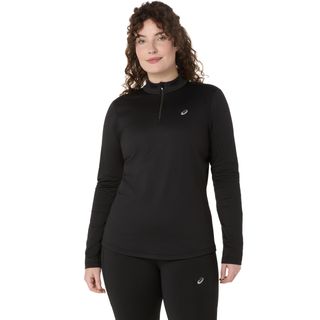 AsicsAsics Core LS 1/2 ZIP Winter T Performance Blackfrom45,00 €low stock
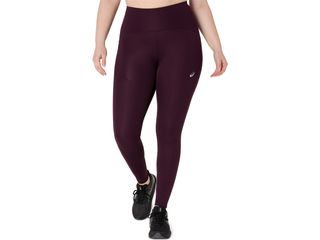 AsicsRoad High Waist Tight Rotfrom70,00 €low stock
What to wear for running at 0 °C?
Around freezing point, add a windproof jacket to the long tights and long-sleeve top. A hat or headband and gloves are now essential, because the hands are usually the first to get cold. If you feel the cold easily, wear a second, warming layer under the jacket.
The ASICS Road Lite-Show Packable Jacket is windproof and water-repellent and packs into its own side pocket if you get too warm on the way. The men's ASICS Icon Jacket is light, wind-resistant and dries quickly. For women, the Nike Therma-FIT Swift Element Top keeps you warm with Therma-FIT fabric; the roll neck can be pulled up in the wind, and thumbholes keep the sleeves over your hands.
For 0 °C
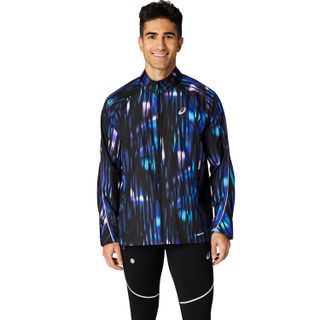 AsicsRoad Lite-show Packable Jacket Beigefrom105,00 €low stock
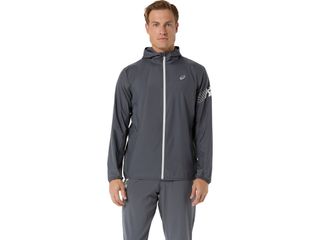 AsicsIcon Jacket Carrier Greyfrom80,00 €low stock
 NikeNike Therma-FIT Swift Element Vintage Green/reflective Silvfrom74,99 €low stock
What to wear for running at −10 °C?
At −10 °C, wear three layers on your upper body, warmer tights or two layers on your legs, a hat, gloves and a neck warmer (neck gaiter in the US). You can pull the neck warmer up over your mouth and nose if needed; a thin fabric works better for that than a thick one.
A thick wool hat is often too warm for running. A thin running beanie that fits in your jacket pocket is better. The Dare 2b Reflective Beanie is one of these. For gloves, the Dare 2b Britelight Gloves, made of polyester with elastane, are practical because the thumb and index finger work on touchscreens. The ASICS Thermal Gloves are breathable and have reflective details for dark days.
For −10 °C
 Dare 2bReflective Beanie Blaufrom30,00 €low stock
 Dare 2bBritelight Gloves Blaufrom80,00 €low stock
 AsicsThermal Gloves Performance Blackfrom25,00 €low stock
At temperatures like these, choose a loop that doesn't take you far from home. That way you're quickly back in the warm if the wind picks up or your clothes get wet.
Which shoes for snow, slush and wet?
In winter, your shoes are often the first thing to get wet. For slush on farm tracks and puddles on cycle paths, running shoes with a waterproof membrane are pleasant. The ASICS Novablast 6 GTX for men and the ASICS Novablast 6 GTX for women are the GTX versions of the Novablast 6, with a highly cushioned, bouncy midsole and an outsole of segmented rubber zones for traction.
For wet winter days
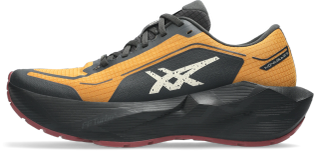 AsicsNOVABLAST 6 GTX Blaufrom170,00 €in stock
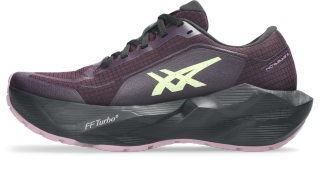 AsicsNOVABLAST 6 GTX Rotfrom170,00 €low stock
On ice, even the best running shoe only helps so much. For forest tracks with snow and mud, read Trail running shoes for the Eifel. How to be seen at dusk is explained in Running in the dark: how to stay visible.
Checklist for a winter run
- Add 10 degrees to the temperature and dress for that.
- Factor in wind and wet, not just the temperature.
- No cotton directly on the skin.
- Always take a headband or thin hat, even at 5 °C.
- Plan on gloves from about 0 °C.
- Reflective details or bright colours, because it gets dark early.
- Get out of wet clothes quickly after your run.