
Cycling clothing for autumn and winter: what to wear at 10 °C, 5 °C and 0 °C
What to wear on the bike at 10 °C, 5 °C and 0 °C: layers for your upper body and legs, plus hands, feet and neck for autumn and winter rides.
By Sport Giese Redaktion ·

In autumn and winter you dress for the bike in layers: three on your upper body, two on your legs, plus gloves, overshoes and something for your neck and head. At 10 °C a long-sleeve jersey and a gilet are usually enough; at 5 °C add a warmer jacket and long cycling tights; at 0 °C your hands and feet become the main concern. These temperatures are guide values, not rules: wind, speed and how easily you feel the cold all shift them.
Why does it feel colder on the bike than on a walk?
Because you create your own headwind. The German magazine Bike gives an example: 0 °C with a 20 km/h wind feels like about −5 °C. On a bike, 20 km/h is a perfectly normal speed, and on the exposed hills of the Eifel the real wind comes on top of that. Going downhill you sit still and stop sweating; going uphill you sweat and have hardly any airflow. Good winter clothing therefore has to do two things: keep the wind out and let sweat escape.
You may know the principle from hiking, see layering for hiking: one layer that wicks moisture away from the skin, an insulating layer and an outer layer against wind and rain. On the bike, you also need to reach your pockets with one hand and be able to pack clothing down small.
What should I wear cycling at 10 °C?
At 10 °C, a long-sleeve jersey with a thin wind layer on top is enough for your upper body, and on your legs cycling shorts with knee warmers or three-quarter tights. Mornings are often colder than midday, so a gilet that fits in your jersey pocket is the most important piece here.
The Craft ADV Bike Essence long-sleeve jersey has a brushed inside for extra warmth, a full-length zip and four rear pockets, one of them zipped. The Craft Essence Light Wind Vest, a gilet (wind vest), weighs just 43 g/m² in its fabric, is wind- and water-repellent at the front, has mesh on the back and packs into a jersey pocket. If you would rather take a jacket with sleeves: the CMP 2-in-1 jacket in light Taslon ripstop has detachable sleeves, turning it into a gilet. It is windproof and water-repellent.
For 10 °C
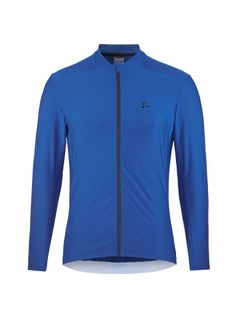 CraftADV Bike Essence LS Jersey M Royalfrom79,95 €low stock
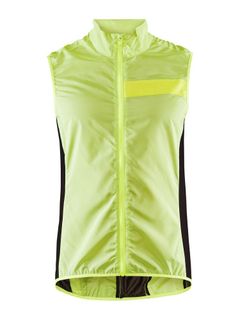 CraftEssence Light Wind Vest M Fluminofrom69,95 €low stock
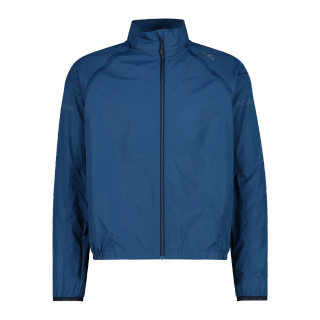 CMPMAN Jacket With Detachable SLE Oceanfrom79,95 €low stock
What should I wear cycling at 5 °C?
At 5 °C, put long cycling tights on your legs and an insulated jacket over your jersey. Your knees and the front of your thighs take most of the headwind, so tights with wind protection on the front are worth having here.
The CMP long cycling tights for men and the CMP long cycling tights for women have a light softshell windproof panel at the front, reflective details and a silicone pad that, according to CMP, stays comfortable even after more than five hours. The CMP jacket with detachable sleeves (men) is insulated at the front with PrimaLoft Black Eco; the sleeves and sides are light softshell with the waterproof Clima-Protect membrane, and the back has mesh. Without the sleeves it becomes a gilet. The same model is available as a women's jacket.
For 5 °C
 CMPMAN Bike Pant Nerofrom79,95 €low stock
 CMPWoman Bike Pant Nerofrom79,99 €low stock
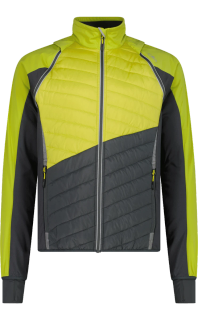 CMPMan Jacket Det. Sleeves Cardamomfrom99,95 €low stock
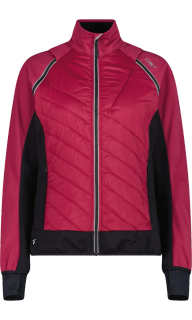 CMPWoman Jacket Det. Sleeves Amarantofrom99,95 €low stock
What should I wear cycling at 0 °C?
At 0 °C your upper body usually stays warm if the layers are right. It is your hands and feet that get cold, because the body sends less blood to them in the cold. With cold fingers it is harder to work the brakes and gears, so warm gloves are not just a matter of comfort here.
The Craft All Weather Glove has a windproof and waterproof outer, a fleece lining and silicone on the palm for grip on the bars; reflective details make it visible in the dark. The Craft Shelter Bootie is an overshoe (shoe cover) that pulls over your cycling shoe: wind- and water-repellent material, taped seams, neoprene at the front for warmth and a zip at the back. Under your jacket, a warm base layer such as the Craft merino base layer set for women, made of merino wool and polyester, works well. For your neck there is the Erima fleece neck warmer in micro-fleece.
For 0 °C
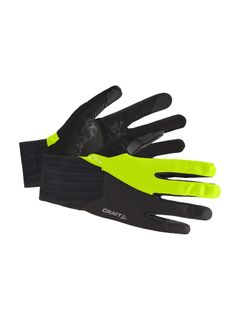 CraftALL Weather Glove Blackfrom44,95 €low stock
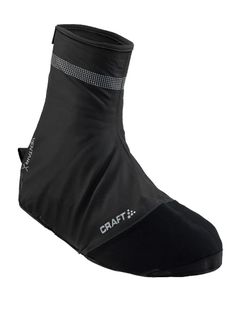 CraftCraft Shelter Bootie Blackfrom49,95 €low stock
 CraftCore Wool Merino SET W Black Melangefrom129,95 €low stock
 ErimaFleece Neckwarmer blackfrom14,99 €low stock
Under your helmet, wear a thin cap that does not add bulk, so the helmet still sits properly. Glasses with clear or yellow lenses keep the cold airflow out of your eyes. We do not stock helmets or cycling glasses; use what you have and check the helmet still fits with the cap on.
How do I avoid getting chilled on the ride?
By feeling slightly cool when you set off. If you are already warm at the front door, you will be sweating after ten minutes, and wet clothing chills you fast on the first descent. Open your zip on the climbs and close it before the descent. During long stops, put on an extra layer straight away, not once you are already cold.
In November and December the Eifel is often wet. When rain is forecast, a waterproof jacket replaces the wind jacket, see rain jackets for cycling. And because it gets dark early, bright colours and reflective areas help drivers spot you in good time; more in being seen on the bike.
Checklist for a winter ride
- Upper body: base layer, long-sleeve jersey or insulated jacket, wind or rain layer.
- Legs: long padded cycling tights; at 10 °C, shorts with knee warmers also work.
- Hands: windproof, lined gloves that still let you brake safely.
- Feet: overshoes over your cycling shoes, with warm socks underneath that do not constrict.
- Head and neck: a thin cap under the helmet, a neck warmer or tube scarf.
- In your jersey pocket: a gilet and a dry layer for stops.