
Cycling to work: clothing for the ride and the office
What to wear when cycling to work so you arrive dry and not sweaty: padded liner shorts, a commuter jacket, waterproof trousers and a plan for changing.
By Sport Giese Redaktion ·

There are two ways to dress for cycling to work: ride in your everyday clothes and add only what you need, or ride in cycling clothing and change at the office. As a rule of thumb, up to about 5 km on a flat route, everyday clothes with padded liner shorts and a good jacket are usually enough. On longer commutes, with hills or in the rain, you will arrive drier in technical clothing and change when you get there.
Can I cycle in office clothes?
Yes, if you ride at an easy pace and the trip is short. Three things make the difference. First, your trousers: thick seams in the crotch press on the saddle, and wide trouser legs get caught in the chain. Second, your jacket: it has to cover your lower back when you are seated. Third, your pace: if you ride more slowly, you sweat less, and five extra minutes on the road often save you having to change.
For your trousers there is a simple solution: padded liner shorts with a thin pad under your normal trousers. The Craft Greatness Bike Boxer is thin, close-fitting and can be worn under any trousers; according to Craft, its Infinity C6 pad is designed for easy rides and the commute. The CMP padded liner shorts for women are made of breathable mesh with a pre-shaped waistband and an integrated pad. As with any cycling shorts, they replace your underwear rather than being worn over it.
If you tend to sweat on top, wear a thin technical base layer under your shirt and take it off at the office. The Craft Cool Mesh Superlight is a mesh base layer weighing just 85 g/m² that moves moisture away well.
And your shoes: for short trips your everyday shoes will do, as long as the soles do not slip on the pedals. If you ride further or use clipless pedals, keep a pair of office shoes at work and ride in trainers (sneakers) or cycling shoes. Secure a wide right trouser leg with a trouser clip or roll it up so it does not get caught in the chain.
Under your everyday clothes
 CraftGreatness Bike Boxer M Black/whitefrom54,95 €low stock
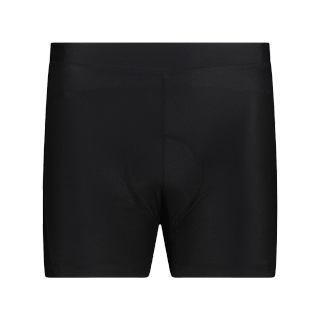 CMPWoman Bike Underwear Nerofrom29,95 €low stock
 CraftCool Mesh Superlight SL M Blackfrom44,95 €low stock
Which jacket works for the commute?
A jacket that does not look sporty at the office but still works on the bike: a dropped tail, pockets that do not get in the way as you pedal, and an outer fabric that keeps rain out.
The adidas TS UTY Jacket is a cycling jacket styled like a track jacket, in soft cotton twill, with a breathable back panel, a longer back, plenty of pockets and a PFC-free water-repellent finish. The Clique Utah Jacket Reflective is lightly padded, with a modern cut, large reflective areas, waterproof zips and a solution for headphone cables. If it often rains properly on your way in, the Craft Core Bike Ride Hydro Lumen Jacket is the commuter jacket for bad weather: windproof and waterproof with taped seams, an adjustable hood, a dropped tail and longer sleeves.
Jackets for the commute
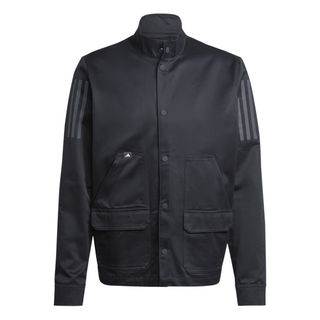 AdidasTS UTY Jacket M Blackfrom130,00 €low stock
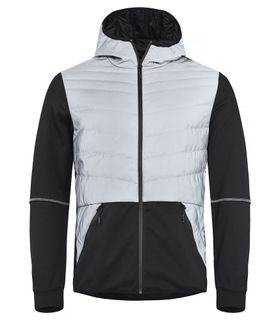 CliqueUtah Jacket Reflectivefrom59,95 €low stock
 CraftCore Bike Ride Hydro Lumen JAC Blackfrom139,95 €low stock
How do I get to the office dry when it rains?
With waterproof trousers (rain pants) that you pull on over your work trousers, and a waterproof jacket. On longer rides in the rain, a jacket that is only water-repellent is no substitute for real rain protection. The CMP men's rain trousers have a loose cut, an elastic waistband and zips at the hems, so you can put them on and take them off with your shoes on; folded up, they fit into their own side pocket and so into any pannier. For wet hands, the Craft All Weather Glove has a windproof and waterproof outer and a fleece lining.
What makes a good rain jacket for cycling, from the hydrostatic head to the hood, is covered in detail in rain jackets for cycling.
Against the rain
 CMPMAN Pant Rain Nerofrom22,95 €low stock
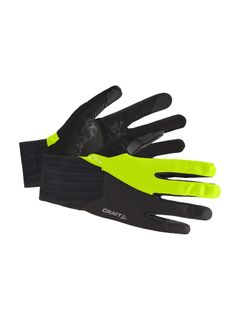 CraftALL Weather Glove Blackfrom44,95 €low stock
How do I organise changing at work?
If you ride in cycling clothing every day, you need a plan for your office clothes. A tried-and-tested approach is to bring fresh shirts, trousers and shoes for the week by car or bus once a week and leave them in a cupboard or locker. Then you only wear what you need for riding, and your pannier stays light.
It is best to ask before your first ride whether your workplace has a shower, a changing room or a lockable locker. Without a shower, an easier pace on the last stretch helps you avoid arriving sweaty, as do a few minutes to cool down before you change.
- Hang up damp cycling clothing to dry; do not leave it in your bag.
- Keep a small towel and deodorant in your desk.
- Roll clothes in your backpack instead of folding them, so they crease less.
- For the ride home: hang up your cycling clothing in the morning so it is dry by the evening.
A technical T-shirt dries faster than a cotton one, and that matters when you put it back on after eight hours. The difference is explained in technical T-shirt or cotton.
What should commuters watch out for in winter?
Visibility and your hands. In November and December you ride in the dark both morning and evening. Alongside the lights your bike is required to have, bright colours and reflective areas help, especially on your feet and ankles, which move with the pedals; the Touring Club Schweiz (the Swiss motoring and cycling association) describes reflectors on moving body parts as considerably more effective. Details in being seen on the bike; which layers suit the cold in cycling clothing for autumn and winter.
Checklist for your first week
- Ride the route once at the weekend and time it.
- Padded liner shorts or cycling shorts, depending on the length of your commute.
- A jacket with a long back, waterproof if it rains.
- Waterproof trousers and gloves in your pannier.
- Spare clothes at the office, a towel and deodorant in your desk.
- Check your lights, reflective areas on your jacket and feet.